

The Best Time of Year to Paint Your House Exterior in Rochester, NY
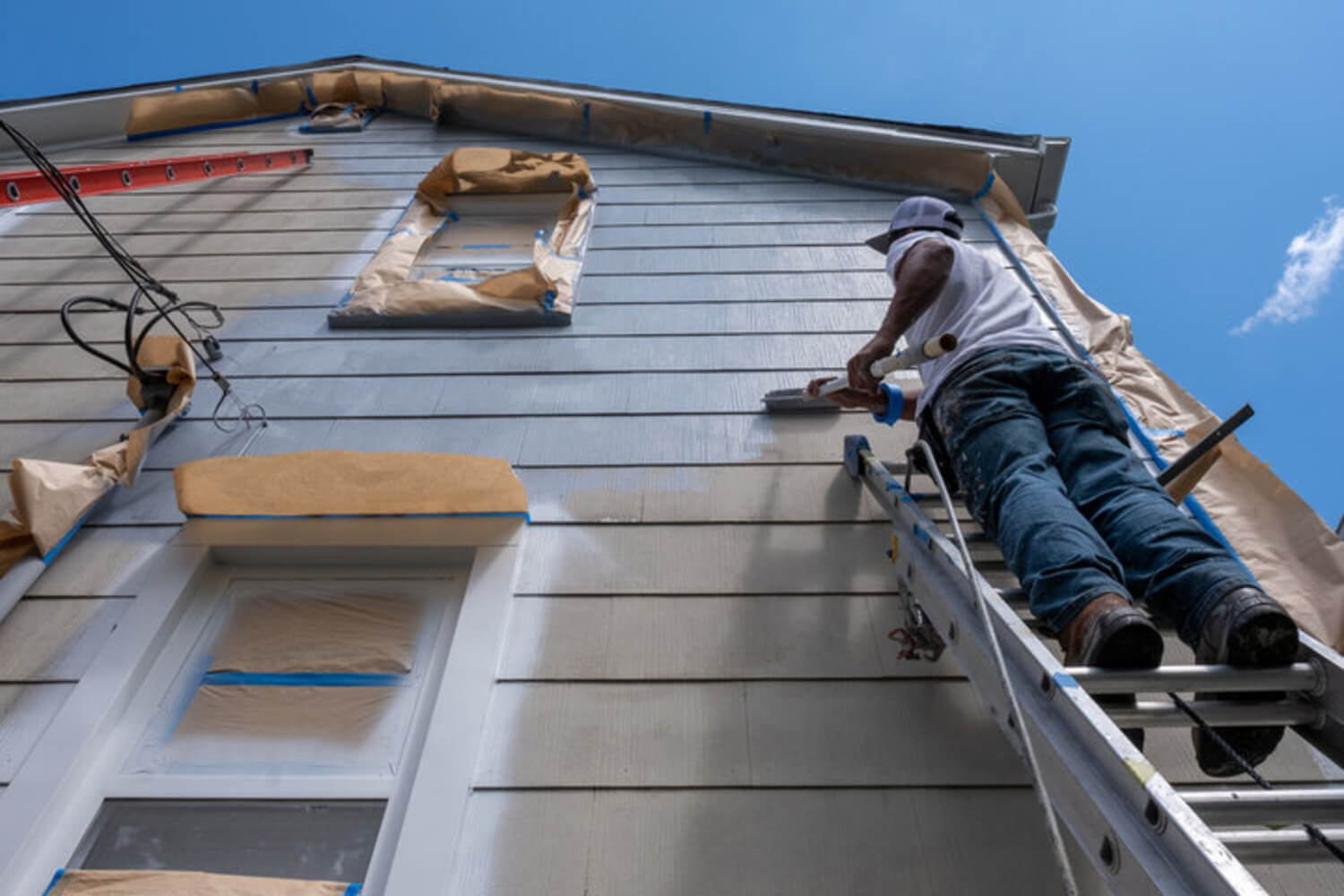
If you’ve been putting off exterior painting, you’re probably telling yourself there’s still time. Maybe you’ve been waiting for a less busy stretch, or you’re planning to get to it before the cold sets in. That instinct to wait is common — and it’s also how homeowners end up missing the window entirely.
Most people assume the exterior painting season is long and flexible. In a lot of climates, that’s true. In Rochester, it isn’t. The window is real, it’s shorter than you’d expect, and the scheduling pressure inside it makes it shorter still. This blog walks through what the window actually looks like, why timing affects how long a paint job holds up, and what that means for when to act.
What Exterior Paint Needs to Bond and Last
Exterior paint isn’t just a surface coating. It’s a protective film that has to cure correctly to do its job, and curing requires specific conditions to happen right.
Three factors determine whether those conditions are met:
- Temperature: Most exterior paints require sustained daytime temperatures between 50 and 85 degrees Fahrenheit. Overnight lows need to stay above 35 to 40 degrees so the film doesn’t freeze before it sets. Both numbers matter — a warm afternoon followed by a cold night can compromise a coat that looked fine when the crew left.
- Humidity: Paint applied in high humidity dries slowly and unevenly. That uneven drying weakens adhesion and creates the conditions for early peeling. This is why a stretch of hot, muggy July days in Rochester isn’t always the ideal painting window even when the temperature looks right.
- Surface moisture: Surfaces need to be dry at the time of application. Dew, recent rain, or morning condensation all compromise the bond at the substrate level, regardless of how good the paint is or how well it’s applied.
These aren’t just application preferences. They’re the conditions under which paint actually bonds to the surface and builds the protective film that holds up through Rochester winters. Paint applied in marginal conditions doesn’t fail immediately. It fails two winters from now, when you’re looking at peeling edges and wondering what went wrong. If you want a deeper look at what else affects how long a paint job lasts, the post on what drives exterior paint lifespan on Rochester homes covers the full picture.
The Best Time of Year to Paint Your House Exterior in Rochester
Rochester’s painting season runs roughly from late April through mid-October. That’s about six months on paper. In practice, not all of that window is equal — some months are better than others, and some carry real risk. Here’s how the season breaks down.
Spring: The First Window
Late April through May is when the season opens. Daytime temperatures are climbing into the 50s and 60s, overnight lows are stabilizing above freezing, and surfaces have dried out after winter.
The risk in early spring is overnight temperature drops. A warm May afternoon can still fall to 38 degrees overnight, which is marginal for paint curing. Early spring work is doable but requires watching the forecast carefully and being willing to pause when conditions aren’t right.
May is the most reliable spring month. Temperatures are more stable, humidity hasn’t spiked yet, and there’s enough daylight to complete full days of work. It’s also when homeowners start thinking about exterior projects, which means it’s when scheduling demand starts to build.
Summer: Workable, With Caveats
June through August is the heart of the season in terms of temperature. Overnight lows are reliably above 50 degrees and daytime highs are in the range paint needs. On paper, summer looks like the ideal window.
The caveat for Rochester summers is humidity. July and August can bring stretches of heavy, damp air that slow drying, and painting on a 90-degree afternoon in direct sun creates its own problems. Paint skins over on the surface before the film beneath cures properly, which leads to the same adhesion issues you’d see in cold weather — just from the opposite extreme.
A professional crew manages this by following the shade around the house and avoiding application during the hottest part of the afternoon. The conditions are workable, but they require attention and experience to navigate correctly.
Summer is also the peak scheduling period for exterior painters in Rochester. Crews are fully booked, and homeowners who haven’t planned ahead often find they can’t get on the schedule for weeks.
Fall: The Last Window, and the One That Closes Fastest
September and early October are the second-best window of the year. Temperatures drop back into the comfortable range, humidity is lower than summer, and the conditions for paint adhesion are often ideal. For many Rochester homeowners, fall is the window they’re counting on.
The problem is that it closes faster than almost anyone expects:
- By mid-October, overnight lows in Rochester are routinely dropping into the low 40s
- By early November, the window is effectively closed for the season
- That gives you roughly 6 to 8 weeks of reliable fall conditions
Because homeowners often realize in September that summer slipped away, crews are fielding a surge of late-season requests into a shrinking calendar. A homeowner who calls in late September hoping to get painted before winter is often looking at a late October completion date at best — right at the edge of what conditions allow.
Why Painting Outside the Ideal Window Costs You More Than Convenience
Missing the window isn’t just a scheduling inconvenience. It’s a shorter paint job.
Paint applied in marginal conditions — too cold, too humid, or onto surfaces that aren’t fully dry — doesn’t bond correctly at the substrate level. The film forms on the surface but the adhesion beneath is compromised. That compromise shows up one to three winters later:
- Peeling that starts at the edges and works inward
- Bubbling on surfaces that hold moisture through freeze-thaw cycles
- Premature fading because the film never fully cured and lost its UV resistance faster than it should have
This is also why a professional crew that offers a written warranty on their work won’t paint in conditions that would undermine the result. The standard of work and the timing are directly connected. A crew that stands behind the job chooses the right window to do it, because painting in the wrong conditions means the work won’t hold up the way it should. If you’ve been thinking about what a professional exterior painting project involves from start to finish, timing is one of the decisions that happens before the crew ever shows up.
The Scheduling Reality Rochester Homeowners Underestimate
Understanding the seasonal window is one thing. Getting on the schedule inside it is another, and this is where most homeowners underestimate the situation.
Rochester exterior painters build their schedules weeks in advance during peak season. The timeline typically looks like this:
- By July, most crews are booked through August
- By September, the fall calendar is filling fast
- By October, late-season slots are limited and carry weather risk
- A homeowner who decides in late October that they want to paint before winter is usually too late
Weather delays compound the problem. Exterior painting schedules are always subject to rain and temperature drops, and a crew that loses three or four days to weather in October may not be able to complete a job before the window closes. Late-season bookings carry more risk than mid-season ones, both because of the shrinking calendar and because there’s no buffer if conditions turn.
The practical implication is straightforward: getting on the schedule isn’t just about knowing when paint works best. It’s about contacting a crew early enough that there are still dates available in the good part of the window, not the edge of it. Homeowners with school-age kids often find fall easier to schedule than summer, but that logic applies to a lot of families, which is part of why fall books up faster than people expect.
The Window You Have Right Now Is the One Worth Acting On
Rochester’s exterior painting season runs from late April through mid-October, with the best conditions concentrated in May, June, and September. That’s the window when paint cures correctly, crews can work without fighting the weather, and a finished job will hold up the way it should.
If you’re reading this in summer or early fall, you’re inside the window. But the scheduling reality means that the right move is to get on the calendar now, not after a few more weekends pass. The fall window closes faster than it feels like it will, and the crews who do good work are the first ones to fill up.
Getting a free estimate is how the conversation starts. It takes the uncertainty out of timing and gives you a clear picture of when your project can happen and what it involves. If the exterior window has already closed by the time you’re planning, winter is a good time to get interior work done — there’s no seasonal constraint, and a professional interior painting project can be scheduled and completed any time of year.
When you’re ready to get on the schedule, reach out here for a free estimate and we’ll take it from there.